
Have you ever wondered why traditional meatloaf takes so long to cook, while leaving you with days of leftovers? What if you could enjoy all that homestyle flavor in perfect individual portions that cook in half the time? That’s exactly what makes this recipe for individual meatloaves a game-changer for weeknight dinners.
These mini meatloaves deliver the comfort food satisfaction you crave without the lengthy baking time of their full-sized counterpart. Perfect for busy families, portion control, or simply adding variety to your dinner rotation, this small meatloaf recipe will quickly become a household favorite.
Let’s dive into creating these delicious, perfectly-portioned main dishes that combine classic flavors with modern convenience.
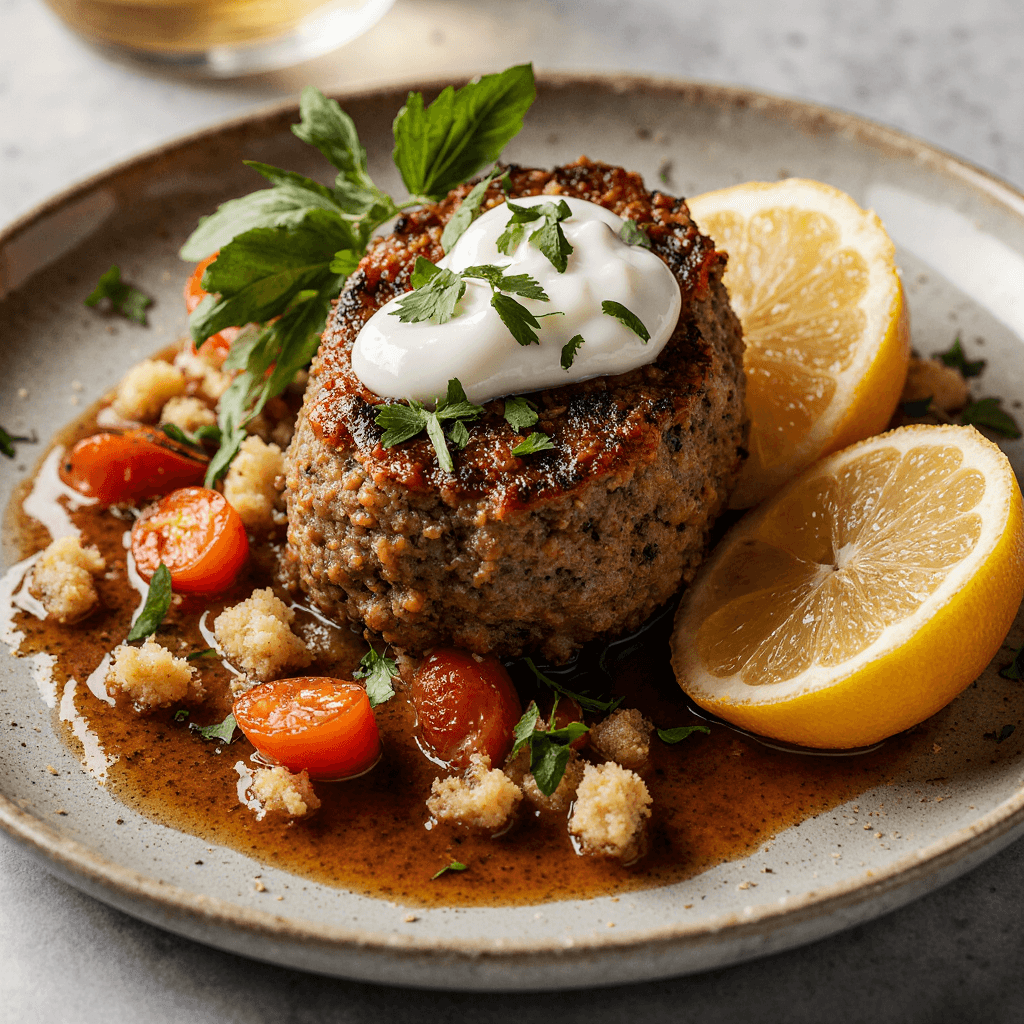
Ingredients List
- 1 pound lean ground beef (90/10 recommended for best flavor-to-fat ratio)
- 1/2 cup finely chopped yellow onion (about 1 small onion)
- 1/3 cup finely diced bell pepper (red adds a sweet flavor and vibrant color)
- 2 cloves garlic, minced (or 1 teaspoon garlic powder)
- 1/2 cup breadcrumbs (panko offers a lighter texture, but regular works well too)
- 1/4 cup milk (whole milk adds richness, but any type works)
- 1 large egg, lightly beaten
- 2 tablespoons Worcestershire sauce (adds umami depth)
- 1 tablespoon tomato paste (concentrates flavor)
- 1 teaspoon dried Italian herbs
- 1/2 teaspoon salt
- 1/4 teaspoon black pepper
For the glaze:
- 1/3 cup ketchup
- 2 tablespoons brown sugar (light or dark both work)
- 1 tablespoon apple cider vinegar (adds tangy balance)
- 1/2 teaspoon garlic powder
Substitution options: Ground turkey or chicken can replace beef for a leaner option. Oats can substitute breadcrumbs for a gluten-free alternative. Plant-based milk works perfectly in place of dairy milk.
Timing
Preparation time: 15 minutes
Cooking time: 25-30 minutes
Total time: 40-45 minutes
These individual meatloaves cook in approximately 40% less time than a standard meatloaf, which typically requires 60-75 minutes in the oven. This time-saving approach delivers the same satisfying flavor while fitting perfectly into your busy weeknight schedule.
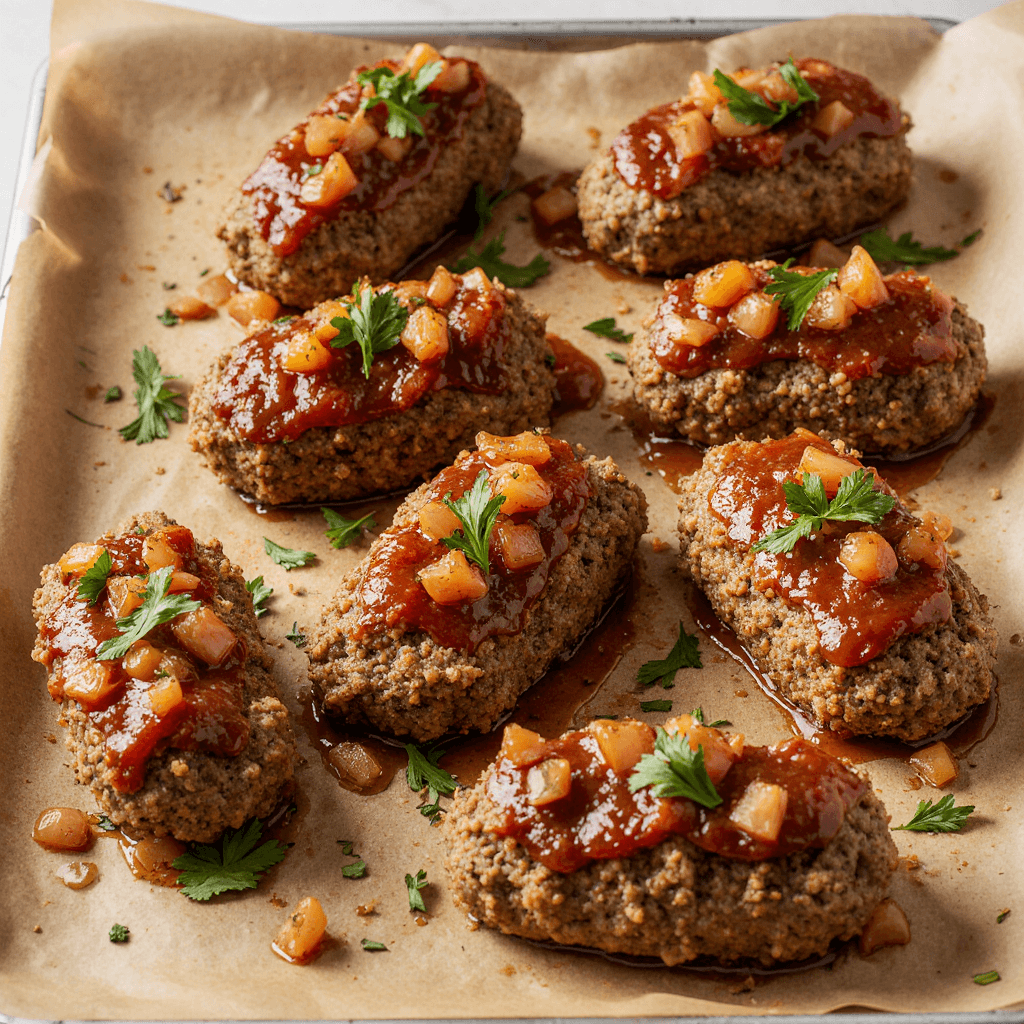
Step-by-Step Instructions
Step 1: Prepare Your Work Area
Preheat your oven to 375°F (190°C). Lightly grease a standard 12-cup muffin tin or line with parchment paper cups for easier cleanup. Alternatively, you can use a dedicated mini loaf pan if you have one.
Step 2: Create the Meatloaf Base
In a large mixing bowl, combine the ground beef, chopped onion, diced bell pepper, and minced garlic. The finer you chop your vegetables, the more seamlessly they’ll incorporate into your recipe for individual meatloaves, creating a cohesive texture.
Step 3: Add Binding Ingredients
In a separate small bowl, whisk together the milk and egg. Pour this mixture over your meat and vegetables. Add breadcrumbs, which will absorb moisture and help bind everything together while keeping the texture light.
Step 4: Season the Mixture
Add Worcestershire sauce, tomato paste, dried Italian herbs, salt, and pepper to the bowl. Using clean hands (the best tools for this job), gently mix everything until just combined. Avoid overmixing, which can make your meatloaves tough rather than tender.
Step 5: Form Individual Loaves
Divide the meat mixture evenly among the prepared muffin cups, filling each about 3/4 full. If using a standard muffin tin, you should get approximately 10-12 individual meatloaves. Use your fingers to create a slight depression in the center of each loaf to prevent doming.
Step 6: Prepare and Apply the Glaze
In a small bowl, whisk together ketchup, brown sugar, apple cider vinegar, and garlic powder until smooth. This tangy-sweet glaze will caramelize beautifully during baking. Spoon about 1-2 teaspoons of glaze over each mini meatloaf, spreading it to cover the top.
Step 7: Bake to Perfection
Place the muffin tin on the middle rack of your preheated oven. Bake for 25-30 minutes, or until the internal temperature reaches 160°F (71°C) when tested with a meat thermometer. The tops should be caramelized and slightly crispy.
Step 8: Rest Before Serving
Allow the individual meatloaves to rest in the tin for 5 minutes before removing. This crucial step allows the juices to redistribute throughout the meat, ensuring moist, flavorful results. Carefully remove each meatloaf using a spoon or small spatula.
Nutritional Information
Each individual meatloaf (based on a yield of 12 from this recipe for individual meatloaves) contains approximately:
- Calories: 145
- Protein: 12g
- Carbohydrates: 8g
- Dietary Fiber: 0.5g
- Sugars: 4g
- Fat: 7g
- Saturated Fat: 2.5g
- Cholesterol: 45mg
- Sodium: 280mg
- Potassium: 220mg
- Iron: 1.5mg
These mini meatloaves provide approximately 24% of your daily protein needs per serving, making them an excellent option for a balanced meal when paired with vegetables and whole grains.
Healthier Alternatives for the Recipe
Transform this classic comfort food into an even more nutritious option with these simple modifications:
- Swap ground beef for 93% lean ground turkey to reduce saturated fat by up to 40% while maintaining moisture.
- Replace breadcrumbs with rolled oats or almond flour for added fiber and nutrients.
- Boost vegetable content by adding grated zucchini or carrots—they’ll blend seamlessly while adding moisture and nutrients.
- Use a sugar-free ketchup or make your own tomato glaze with pureed dates for natural sweetness.
- Incorporate chopped spinach or kale for an extra serving of leafy greens without significantly altering the flavor profile.
For those following specific diets, these meatloaves can be made gluten-free by using certified gluten-free oats or almond flour, and dairy-free by substituting almond or oat milk.
Serving Suggestions
Elevate your individual meatloaves with these complementary side dishes and presentation ideas:
- Serve atop a bed of creamy mashed potatoes or cauliflower puree with the glaze drizzling down the sides.
- Pair with roasted seasonal vegetables tossed in olive oil, salt, and herbs for a complete, colorful plate.
- Create a “meatloaf sandwich” by slicing cooled mini loaves and serving between dinner rolls with additional glaze.
- Offer a fresh side salad with a light vinaigrette to balance the richness of the meatloaf.
- For a low-carb option, serve alongside buttered green beans and a side of roasted mushrooms.
For special occasions, consider placing each individual meatloaf on a small bed of garlic mashed potatoes, garnished with fresh parsley and a small sprig of thyme for an elegant presentation.
Common Mistakes to Avoid
- Overmixing the meat mixture – This compacts the proteins, resulting in dense, tough meatloaves. Mix just until ingredients are combined.
- Using lean meat without adding moisture – If using very lean meat (95% or higher), add extra moisture through vegetables or a tablespoon of olive oil.
- Forgetting to create a depression in the center – Without this, your meatloaves will dome significantly during cooking.
- Skipping the resting period – Cutting into the meatloaves immediately after baking causes juices to escape, resulting in drier texture.
- Adding glaze too early – Apply glaze just before baking, not when mixing ingredients, to prevent it from being absorbed into the meat.
- Overcooking – Mini meatloaves cook much faster than traditional meatloaf. Use a meat thermometer to avoid dry results.
Storing Tips for the Recipe
These individual meatloaves are perfect for meal prep and store beautifully for future enjoyment:
Refrigeration: Cool completely before storing in an airtight container. They’ll keep for 3-4 days in the refrigerator. Reheat in the microwave for 1-2 minutes or in a 350°F oven for 10 minutes until warmed through.
Freezing: These mini meatloaves freeze exceptionally well. Place cooled loaves on a baking sheet and freeze until solid (about 2 hours), then transfer to freezer bags or containers. Label with the date and use within 3 months.
Make-ahead prep: You can prepare the meat mixture up to 24 hours in advance and keep it refrigerated. The glaze can also be made ahead and stored separately. This approach saves time while allowing flavors to meld beautifully.
Batch cooking: Consider doubling the recipe and freezing half for an effortless future meal. Individual portions thaw much faster than a whole meatloaf, making them perfect for quick dinners.
Conclusion
This versatile recipe for individual meatloaves transforms a traditional comfort food into a convenient, portion-controlled option that doesn’t sacrifice flavor. By following our step-by-step instructions and incorporating our tips, you’ll create perfectly tender, juicy mini meatloaves that cook in a fraction of the time.
Whether you’re feeding a family with varying appetites, meal prepping for the week ahead, or simply looking to put a modern spin on a classic dish, these individual meatloaves deliver satisfaction in every bite.
Have you tried making individual meatloaves before? We’d love to hear about your experience or any creative variations you’ve discovered! Share your results in the comments below, or tag us in your mouthwatering photos on social media. Happy cooking!